Madagascar lies off the east coast of Africa and is about the size of France. It has been isolated for some 80 million years, which has earned it the nickname “the eighth continent” and given it wildlife found nowhere else: around 90% of its species are endemic.

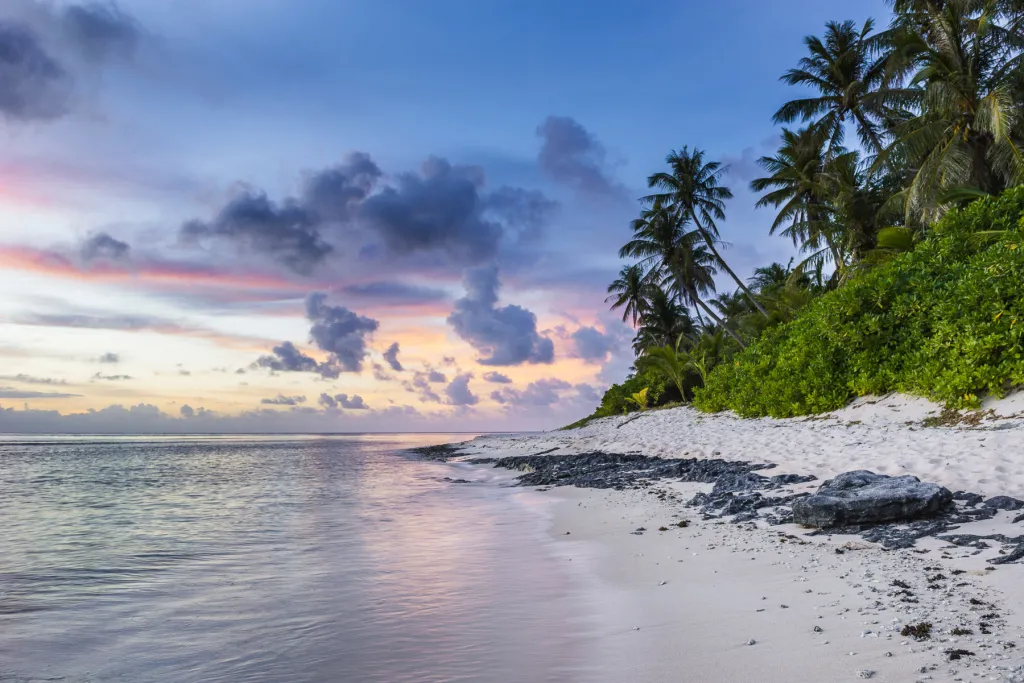
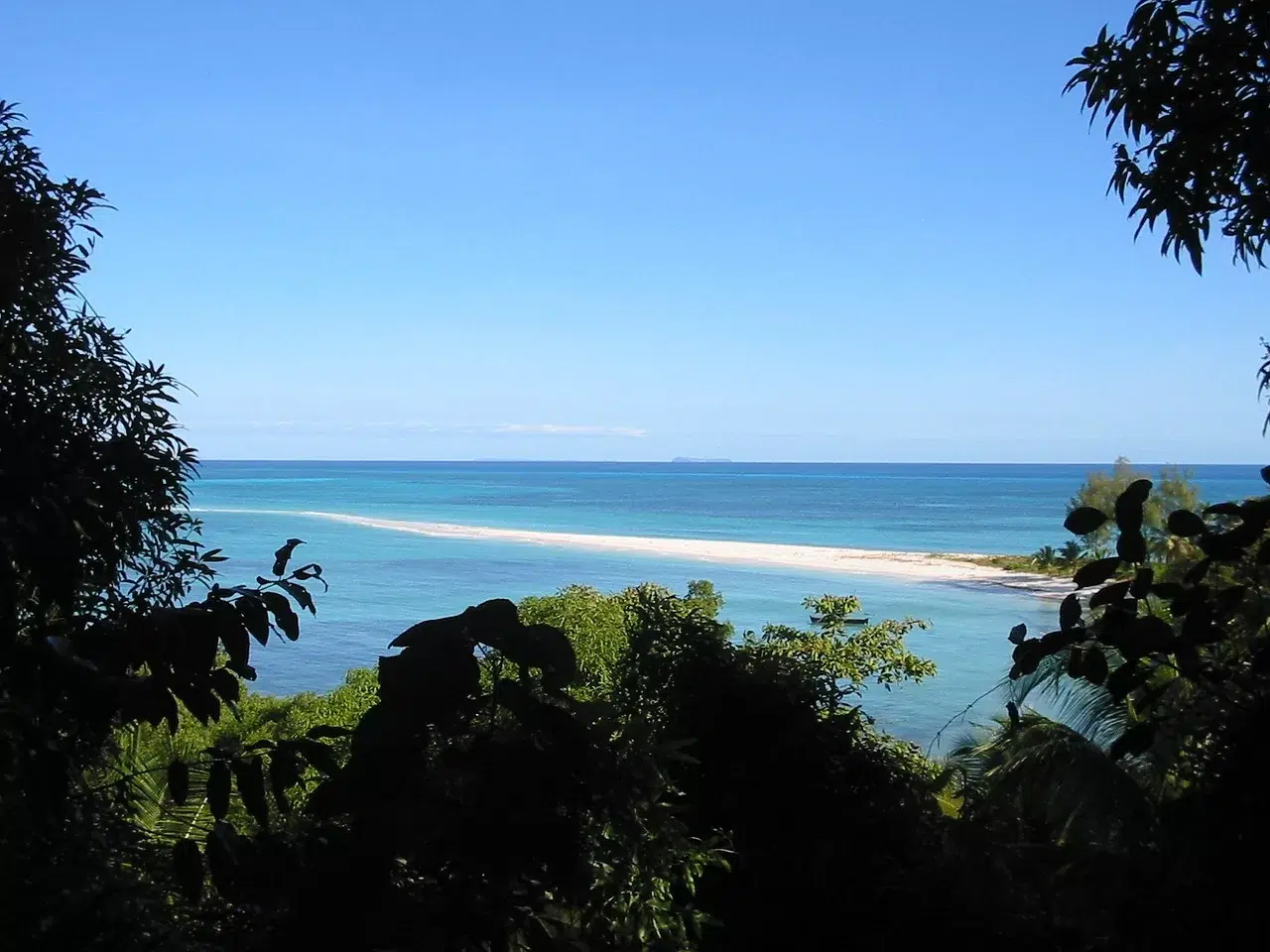
One of the spotless beaches of Madagascar
The island ranges from rainforest to mountains, dry canyons and long beaches lined with baobabs. There is plenty for a quiet trip or an active one, and the capital, Antananarivo, adds colonial history, good food and culture. Beyond the main island, dozens of smaller islands are worth a visit. Here are seven of the best.
Nosy Be
Off the north-west coast, Nosy Be is the largest and busiest of Madagascar’s islands. It is nicknamed the “island of perfumes” for the scent of its ylang-ylang, spices and sugar cane, and it has thick forest, volcanic lakes and rich wildlife, with lemurs, birds and reptiles in its reserves.

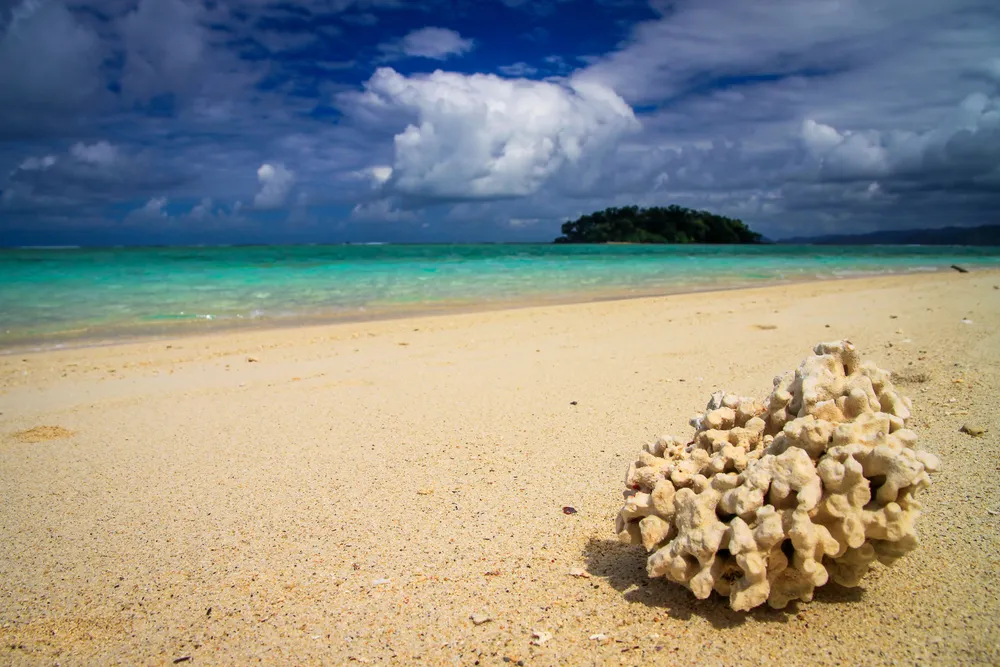
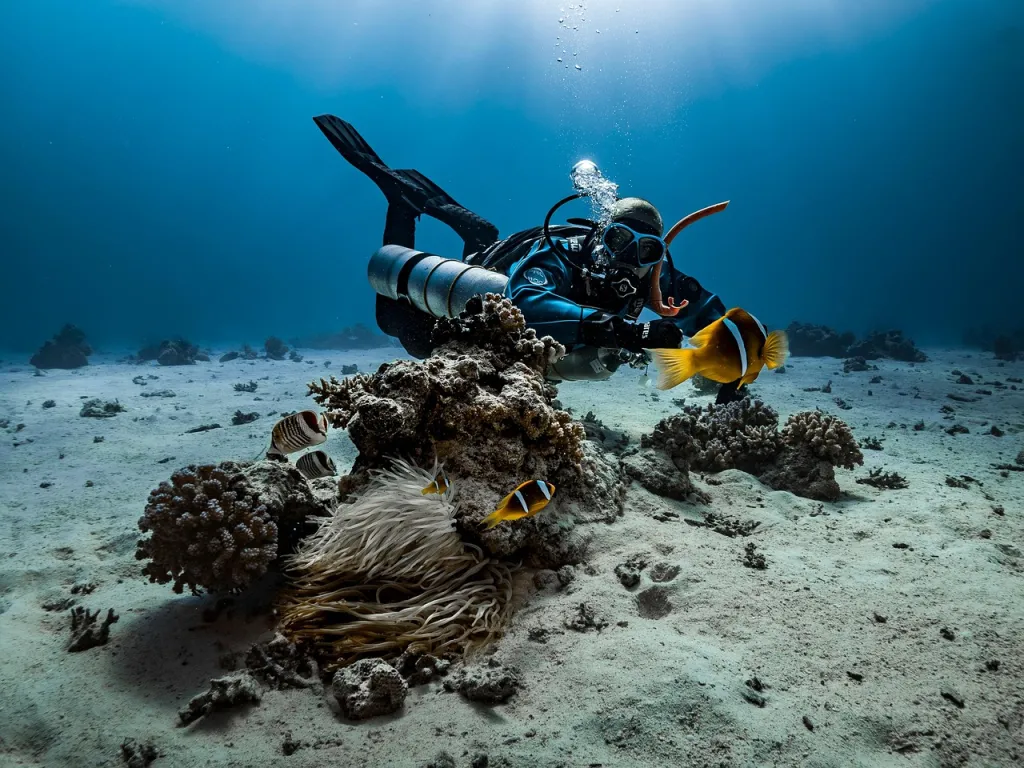
Nosy Be Coral Reef
Its white-sand beaches and reef-sheltered waters are good for diving and snorkelling, with green and hawksbill turtles, pufferfish and clownfish, and, at the right time, dolphins and humpback whales. Lokobe National Park is good for hiking and wildlife.
Nosy Boraha (Sainte Marie)
Nosy Boraha, also called Sainte Marie, was a pirate hideout centuries ago, its shape making it easy for ships to shelter. The French ruled it through the 19th century until independence in 1960. Today it is a relaxed tourist island.

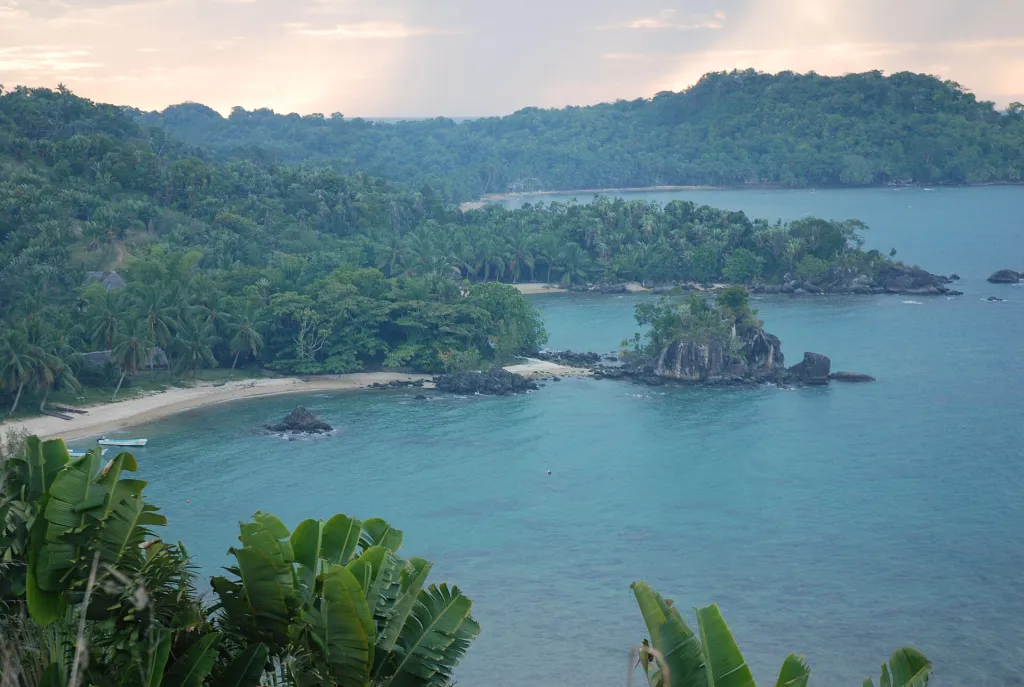
Nosy Boraha
It has long palm-lined beaches, rustic lodges and rainforest. In whale season, humpbacks pass close between the island and the mainland, often visible from the shore, and there is good snorkelling in the quiet bays.
Nosy Komba
Nosy Komba, also known as Nosy Ambariovato, is a volcanic island between Nosy Be and the mainland, shaped a little like a turtle shell and covered in dense forest. Its slate and granite rocks are a reminder of its volcanic past.

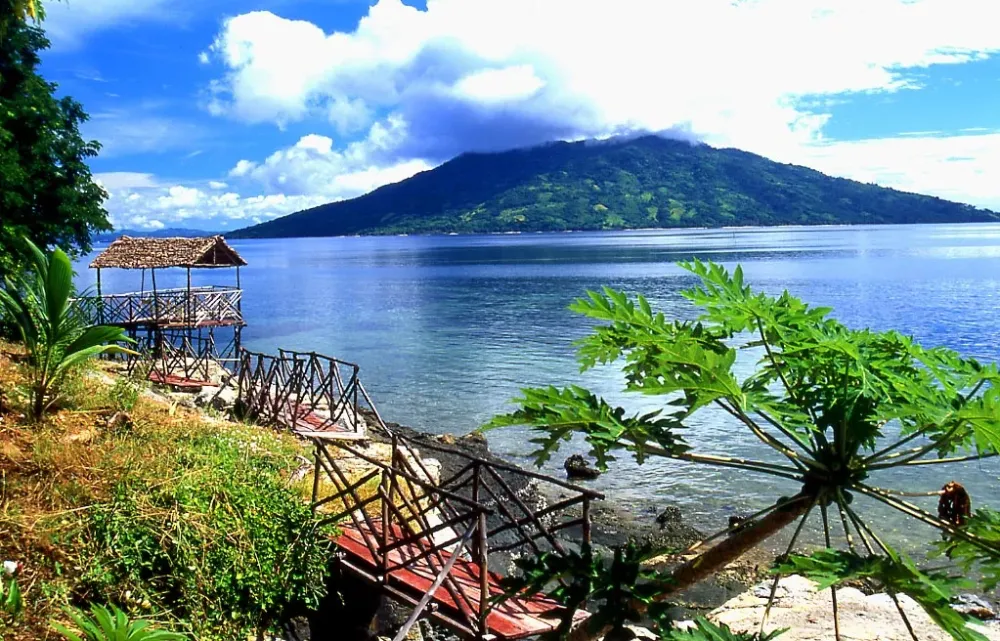
Nosy Komba
It is a good place to see lemurs in the wild, and there is hiking, diving and whale-shark watching. Its forests and clear waters hold many endemic plants and animals.
Nosy Hara
Nosy Hara, off the north-west coast, is a small, uninhabited limestone islet and national park. It is home to Brookesia micra, one of the smallest chameleons known, and has rich flora and fauna. Its exceptional seascapes led to its designation as a marine national park in 2012.
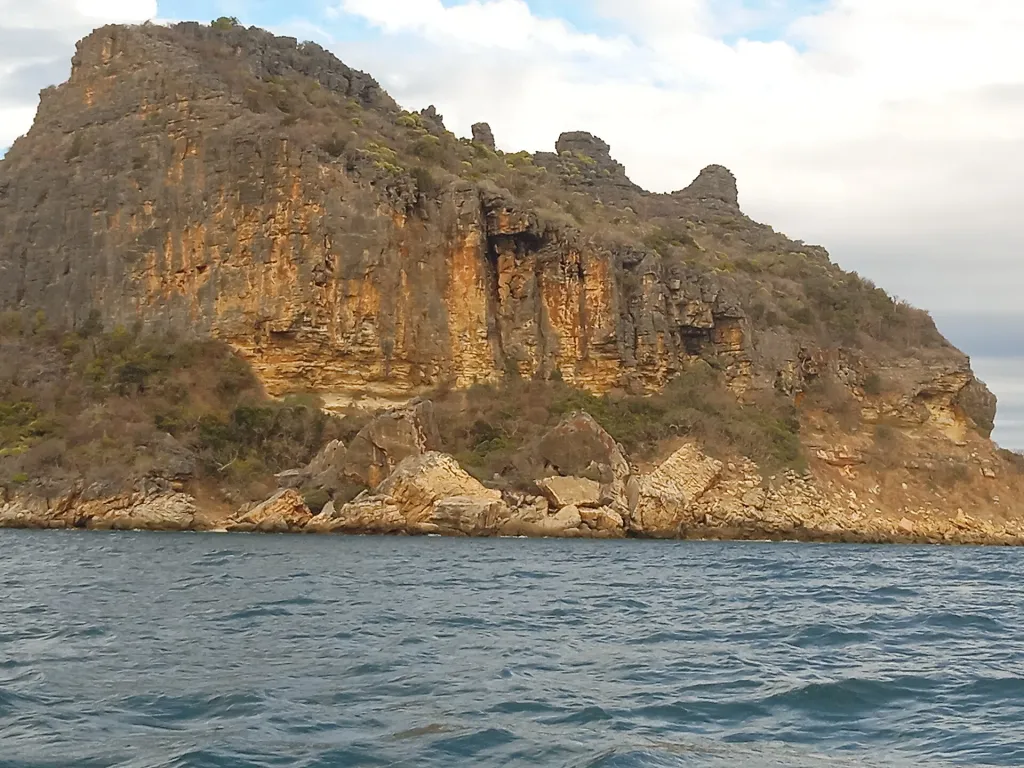
The islet is marked by marine tsingy, jagged eroded limestone, and white-sand beaches, and you can rock-climb and dive here.
Nosy Mitsio
Nosy Mitsio is the main inhabited island of the Mitsio archipelago, aside from Tsarabanjina, now a hotel island. It has white beaches, clear water, coconut palms and plenty of marine life, and lies about 70 km north of Nosy Be, reached only by boat.

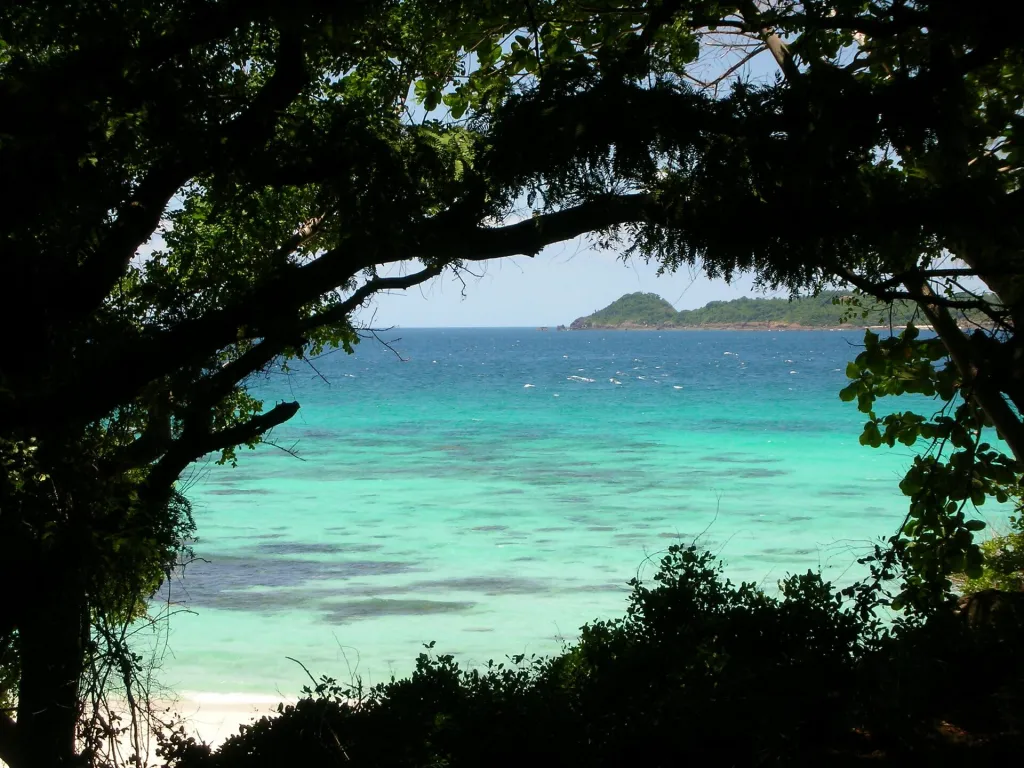
Nosy Mitsio
Diving here often turns up green turtles and bottlenose dolphins, and the archipelago has important seabird colonies of tropicbirds and frigatebirds. It is quiet and remote, a good place to get away.
Nosy Iranja
Nosy Iranja, in the Nosy Be archipelago, is made up of two islets, Nosy Iranja Be and Nosy Iranja Kely, with fine beaches and clear water around the lagoon. It has rich wildlife on land and in the sea, and is also called “turtle island” for the turtles often seen there.
<img class=”size-full wp-image-18851″ src=”https://wildvoyager.com/wp-content/uploads/2022/05/madagascar-g4dee054b8_1280-e1651734778736.jpg” alt=””
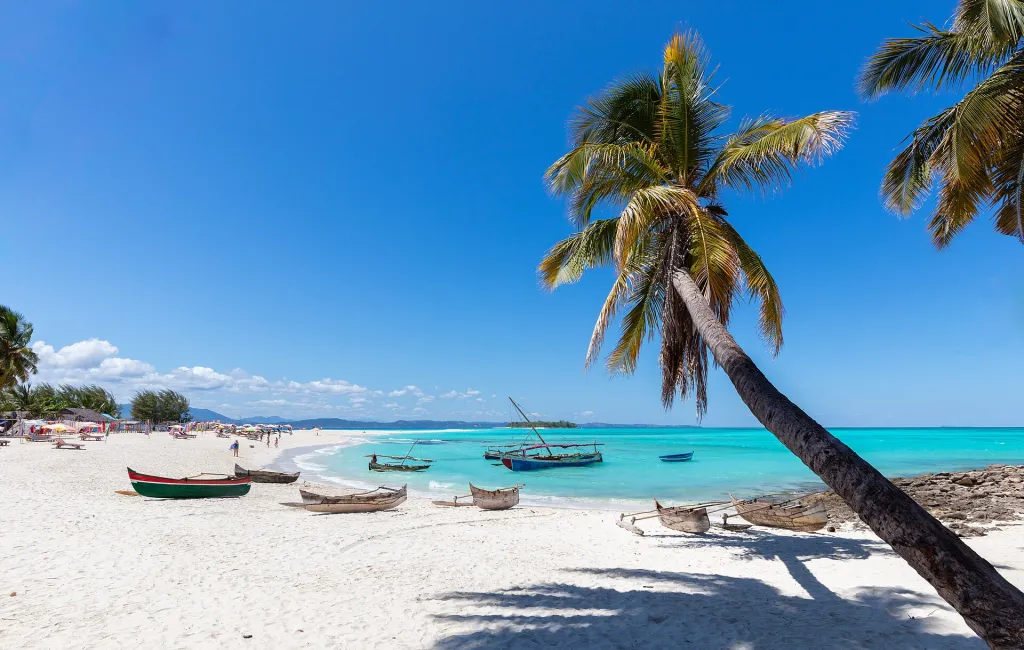
There is plenty to do: a dhow cruise, windsurfing, jet-skiing, snorkelling and diving in the lagoon.
Nosy Mangabe
Nosy Mangabe is a small island in Antongil Bay, about 2 km off Maroantsetra. Its dense forest hides coves and large boulders, one bearing an old shipwreck, and it is one of the richest spots in the bay.
<img class=”size-full wp-image-18852″ src=”https://wildvoyager.com/wp-content/uploads/2022/05/Nosy-Magabe-e1651734861471.jpg” alt=””
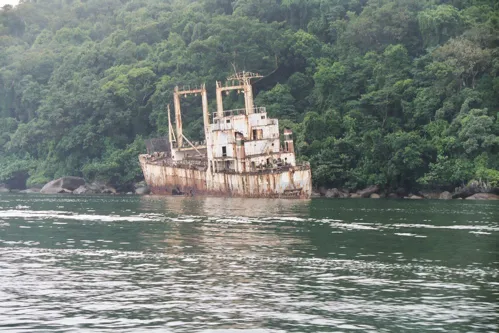
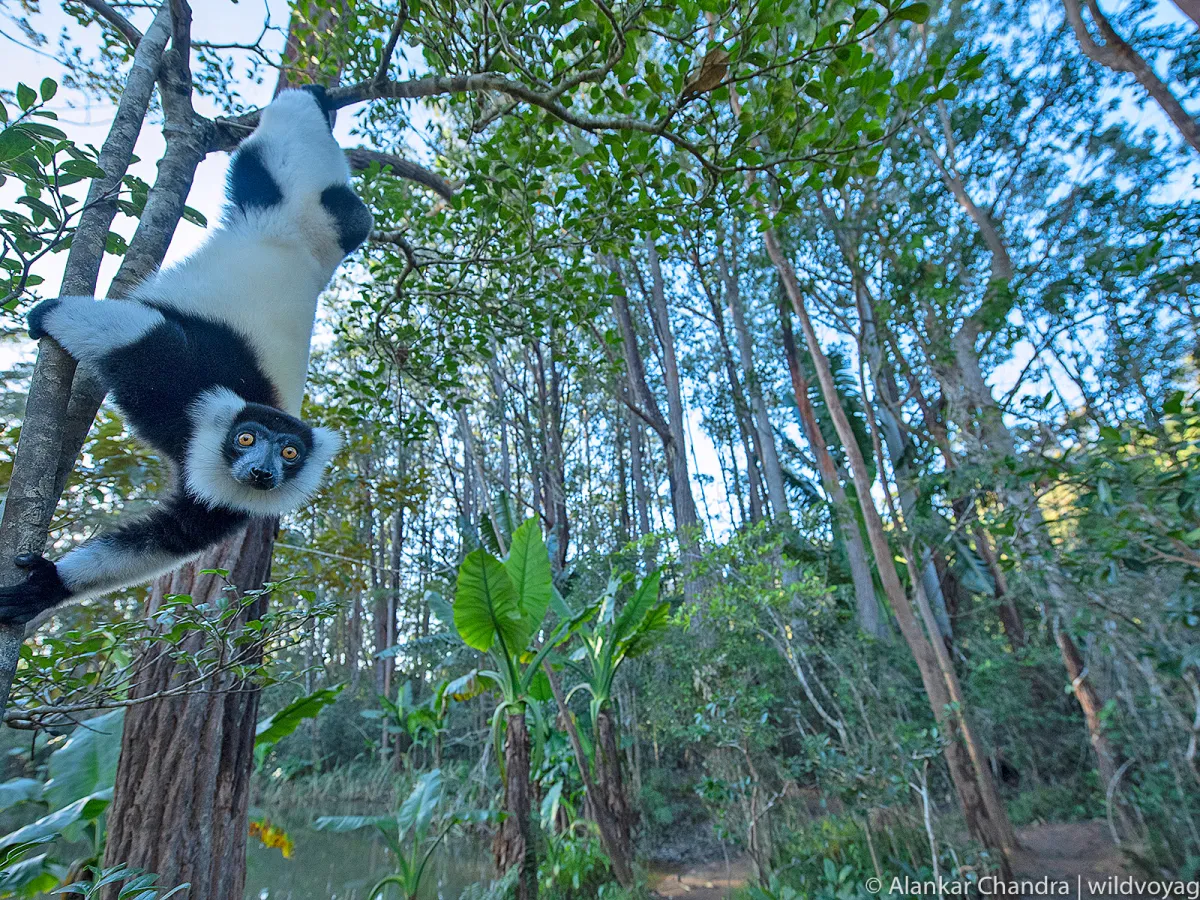
It is a rainforest reserve, protecting the endangered aye-aye, the long-fingered lemur, and is a good place to see others too: brown mouse lemur, white-fronted brown lemur and black-and-white ruffed lemur. With few predators, reptiles and amphibians do well, including leaf-tailed geckos, chameleons and frogs. A couple of trails lead to the summit and to Plage des Hollandais.
Why Madagascar is special
A few things set the island apart.
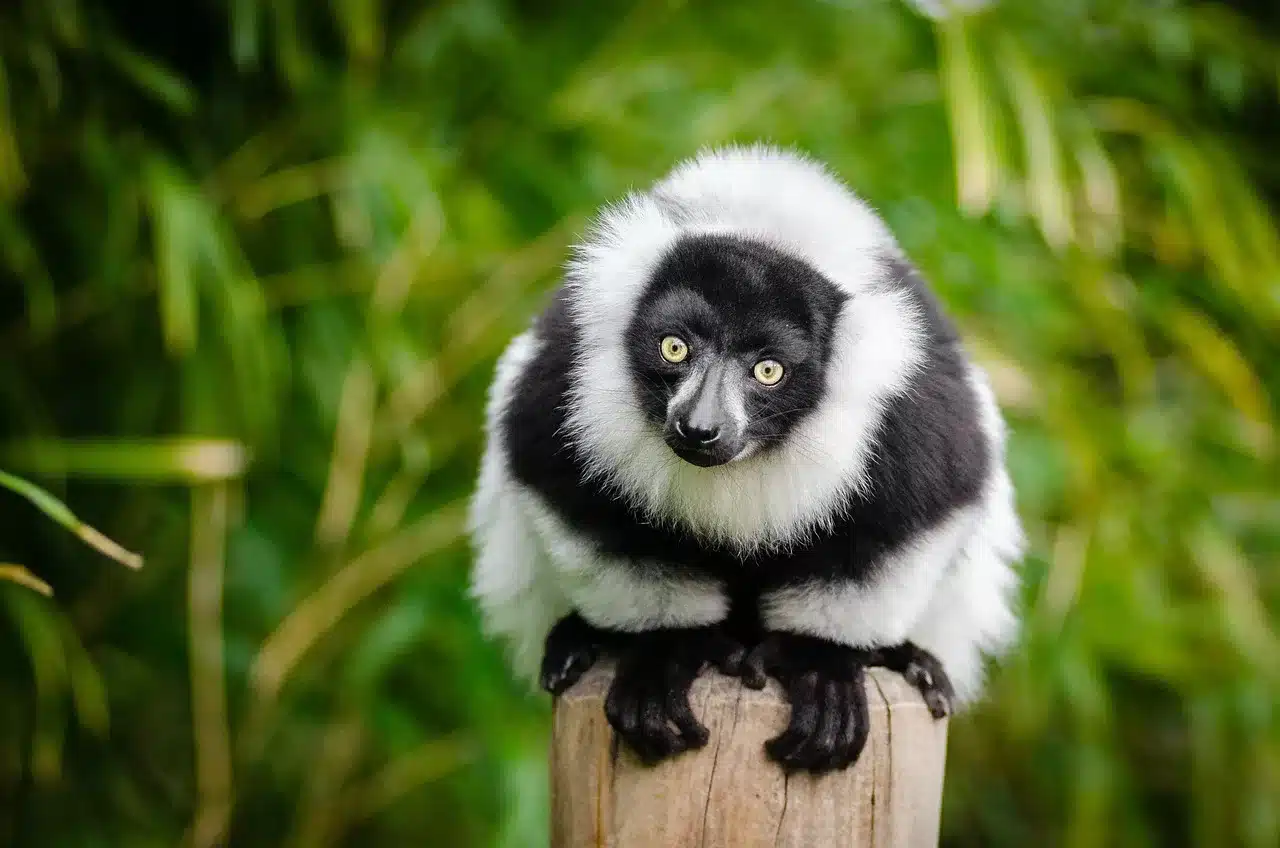
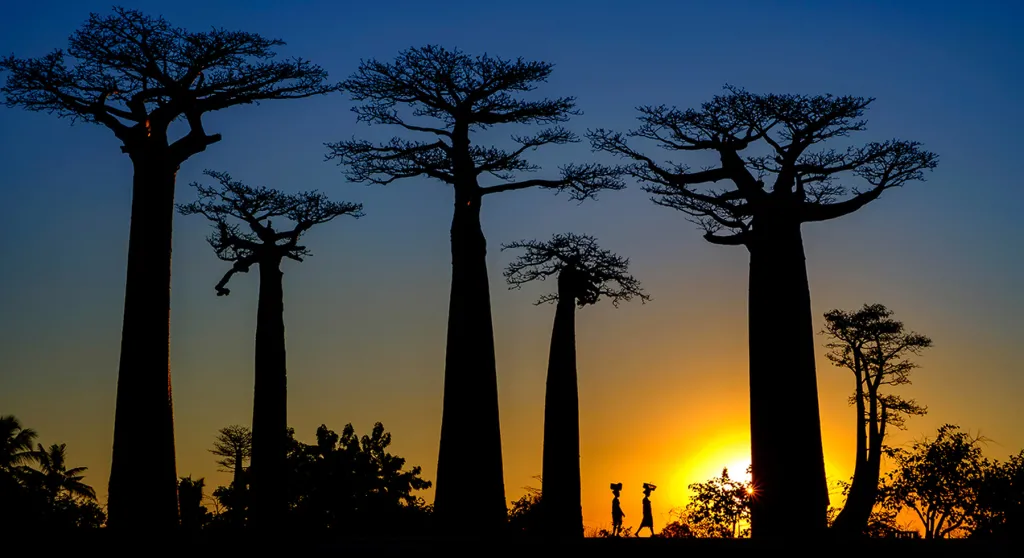
Biodiversity of Madagascar
Biodiversity. Madagascar is one of the world’s great biodiversity hotspots, with species found nowhere else, from lemurs to chameleons, the result of long isolation.
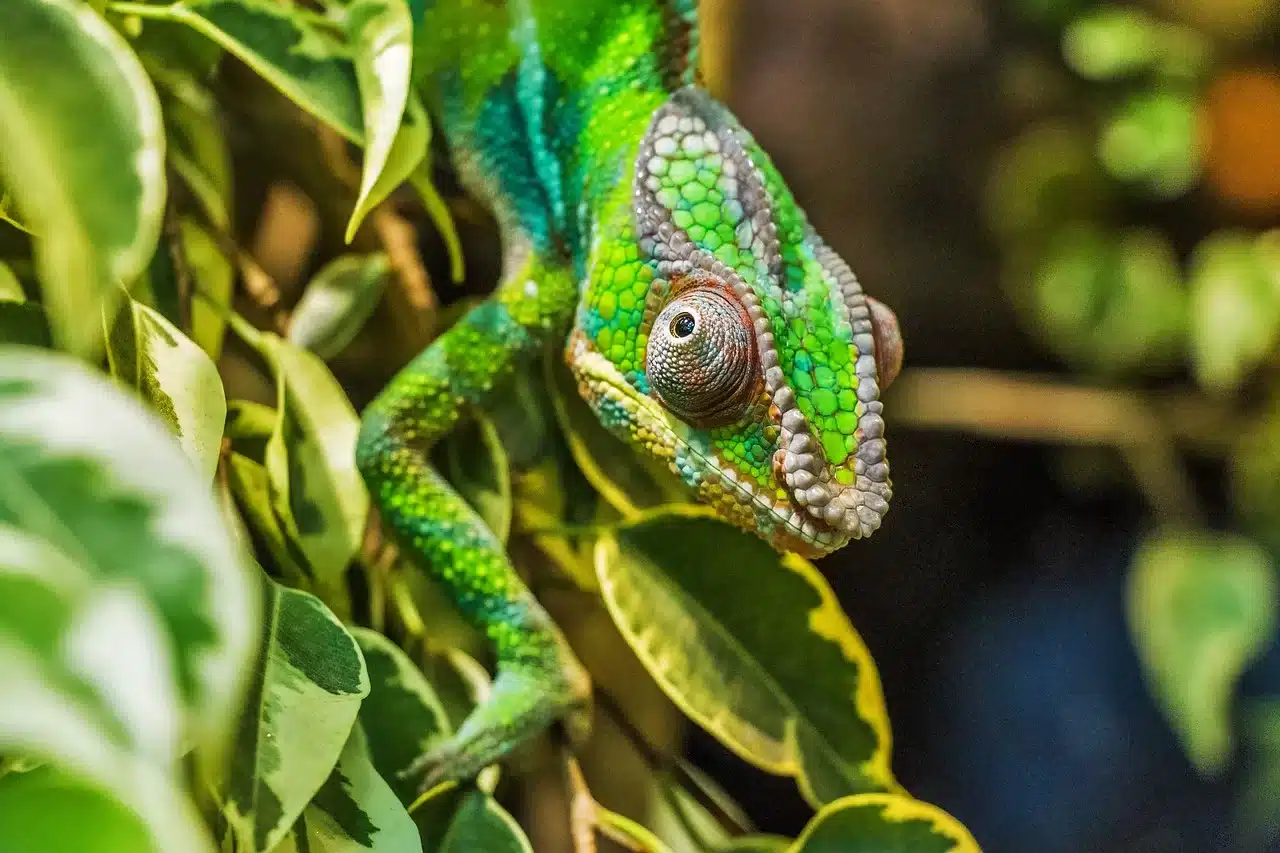
Endemic wildlife. Around 90% of its animals are endemic, from tiny mouse lemurs to the vivid panther chameleon.
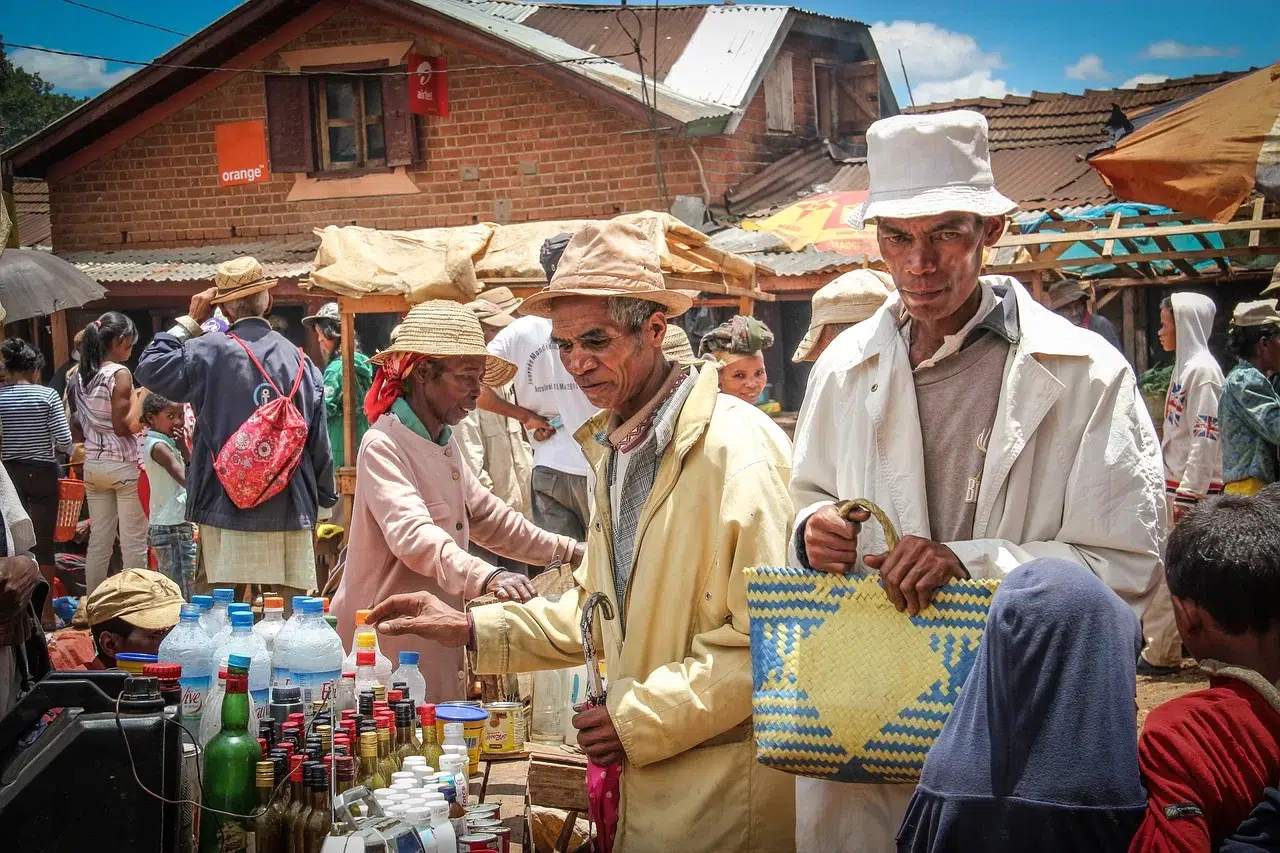
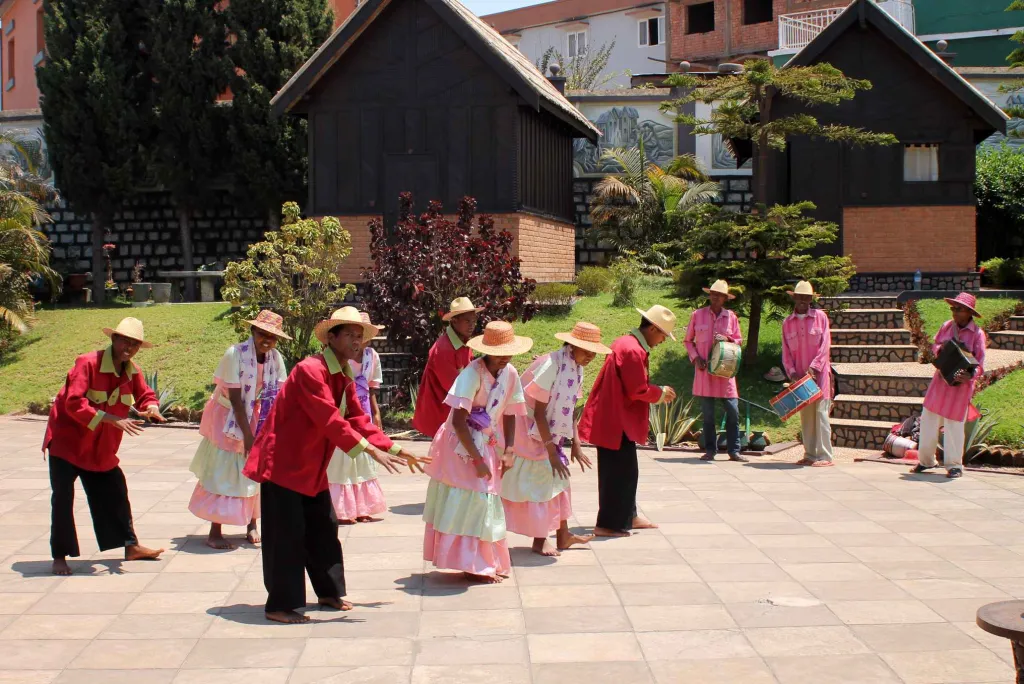
Madagascar Culture
Culture. Its people draw on African, Asian and European roots, and Malagasy culture is as varied as the landscape.
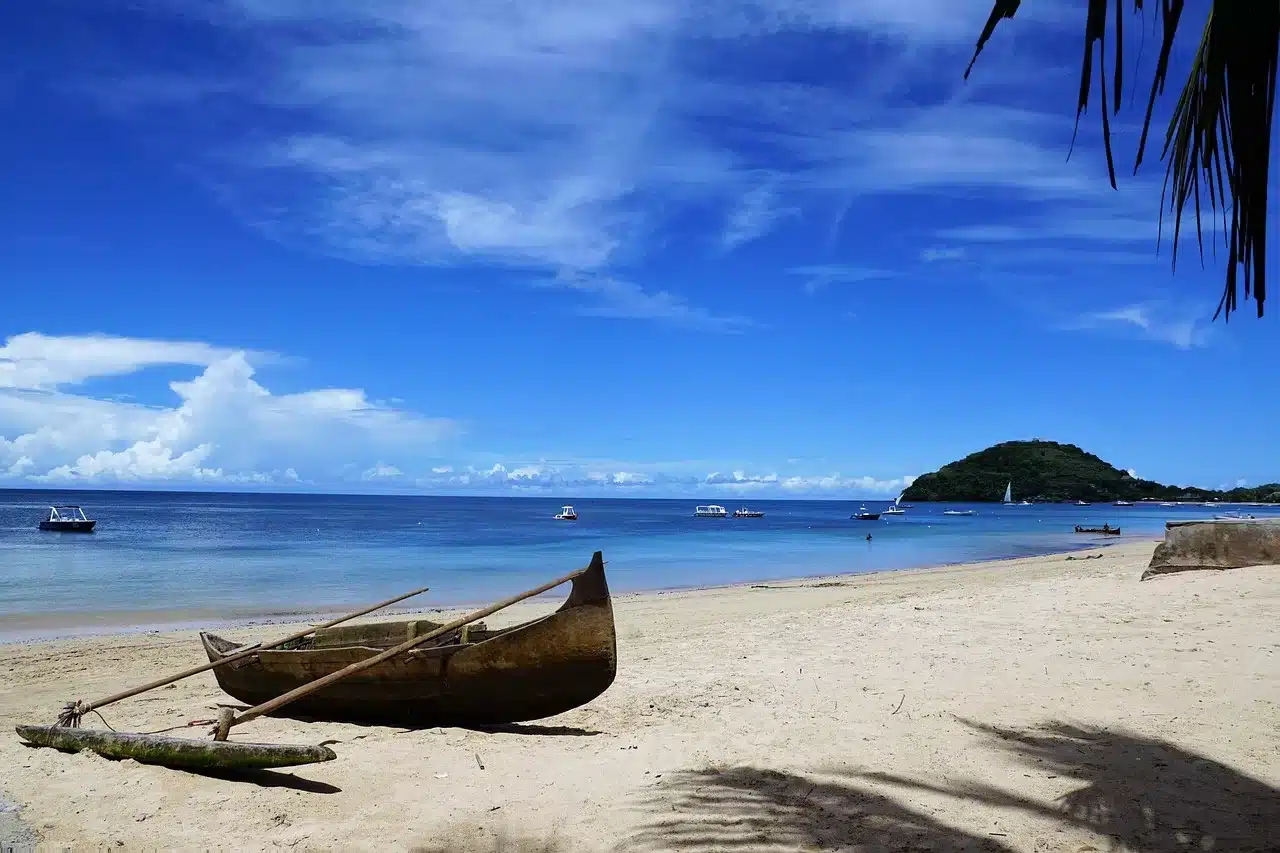
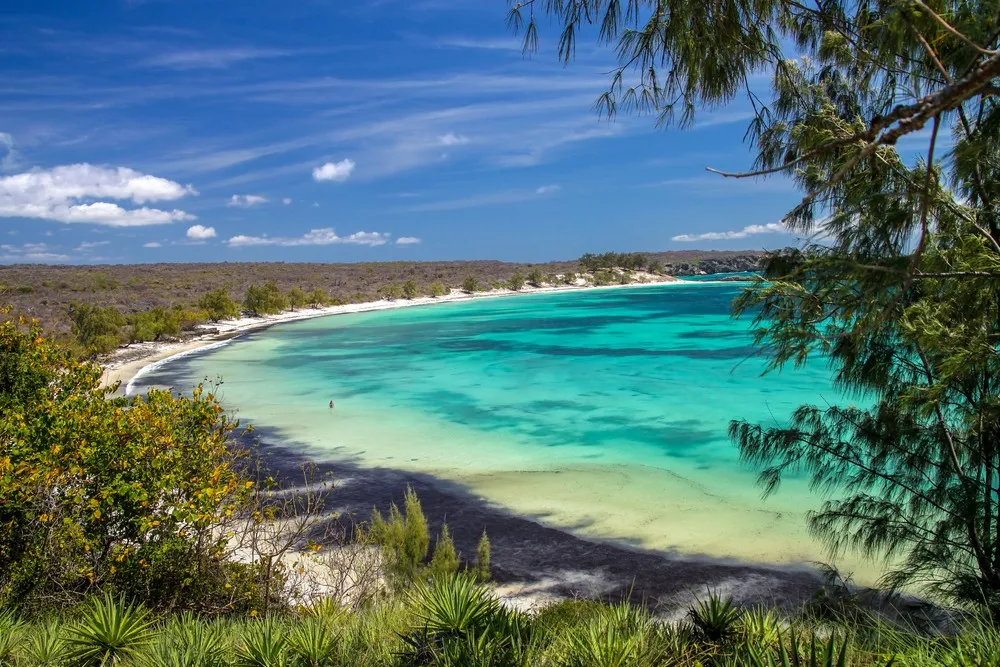
Madagascar Island
Island-hopping. You can move from rainforest to reef in a short hop, each island with its own character.
Madagascar Adventure
Adventure. There is hiking through rainforest, snorkelling over coral and lemur-watching in the wild.
Add a few of these smaller islands to a Madagascar trip for an off-the-beaten-track experience.
If you loved reading this story, then subscribe to our blog here (it will ask to verify your email) to get inspiring travel stories and trivia delivered to your email. Stories about wildlife trivia, cultural experiences, curated luxury hotel lists, underrated places to travel, polar journeys and much more.