

The famed safaris of Africa thrive due to the practice of wildlife conservation – majorly contributed by ecotourism. This word is often found in the tourism industry, especially in the current scenario of climate change. One of the best examples of continued practise of eco tourism is found in the African continent.
What is Eco tourism?
In simple terms, eco tourism is a form of responsible travel which involves visiting natural areas and participating in conversation, while supporting ethical and local resources. Eco tourism contributes to the perseveration of the natural areas by maintaining an undisturbed ecosystem. It goes one step further and sustains the well being of the local people as well. Eco tourism, in a way, allows wildlife conservation and community to go hand in hand.

Traditional tourism is detrimental to the ecosystem because it prioritizes only the travellers’ experience. However, by being mindful of the smallest of things such as low emissions, carbon footprints, use of organic products and more, eco tourism keeps the environment at its center. While the experience can be rustic and not exactly luxurious, it fosters an awareness of sustainable travelling, especially needed today.
Why is ecotourism important?
Practicing ecotourism includes economic, social and cultural benefits. It offers low impact facilities in order to avoid environmental degradation caused by tourism. Eco tourism also offers financial incentives to natural areas like national parks, reserves, conservancies, sanctuaries, marine areas and more, funding programs like habitat restoration, anti poaching, park management and similar. Needless to say, these programs help in the fight against climate change.
When it comes to community development, eco tourism creates meaningful employment opportunities for locals. The revenue sharing models ensure that funds are directed towards community projects such as building schools, hospitals, and other local infrastructures. Locals become in charge of the tourism and practice ownership. Eco tourism is an excellent way to preserve traditional culture and showcase it to the world.
Eco tourism in Africa
Africa is the prime example of ecotourism practiced successfully. This eco tourism destination garners millions of tourists from all over the world, spreading the importance of responsible travelling and sustainable practices.
Africa is home to more than 8500 protected areas and an additional of 300 national parks spread all over the continent. Eco tourism in Africa offers the chance to connect with the unique African ecosystem without disrupting it.
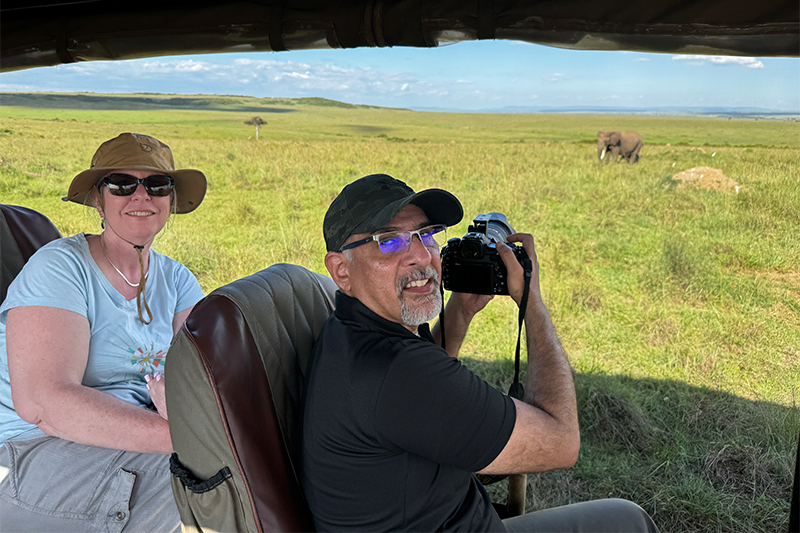
African parks and conservancies largely use the revenue earned from entrance fees and tourist taxes to contribute to the management of the parks. This revenue is also significant for running conservation programs and habitat restoration.
Across Africa the problem of poaching has been rampant, causing devastating impact on wildlife. It is a complex issue organized by well-sourced criminal networks. To fight against this, various anti poaching operations have been established, funded directly by eco tourism. This helps employ local guides, rangers and forces that work towards eradicating poaching of vulnerable species like rhinos and elephants. Funds are also used for monitoring and research purposes of vulnerable species, in order to grow conservation efforts further.
The involvement of the local, indigenous communities is critical to eco tourism as it ensures equal revenue sharing, use of land for conservation and a prime method to spread awareness all around the world.
Eco-Friendly Accommodation in Africa
While visiting African parks and conservancies, most of the staff in camps and lodges are local, indigenous people. Eco-tourism generates meaningful employment opportunities for local communities, thereby providing a sustainable alternative to jobs that might otherwise harm the environment.

Moreover, the lodges and camps in African parks promote sustainability while also maximizing socio-economic benefits. Such properties reduce environmental impact by using renewable energy. For instance, use of solar panels reduces the wastage of energy significantly. The local and natural materials are used for building eco-friendly lodges and camps. Use of solar charged electric vehicles for game drives not only produce less emission but diminishes noise pollution, vital for keeping a peaceful environment for wildlife. Such lodges adhere to strict waste management practices, strongly encouraging their guests to follow them as well.
Success Stories of Ecosystems Across Africa
Rwanda and Uganda
The silverback gorilla is a vulnerable primate species living in the tropical forests of Rwanda’s Volcanoes National Park and Uganda’s Bwindi Impenetrable and Mgahiga Gorilla National Park. Gorilla trekking is a unique experience offered in these parks which allows visitors to see these species in their natural habitats. While the trekking fee is on the higher side, the revenue from the treks contributes significantly to protect the gorillas.
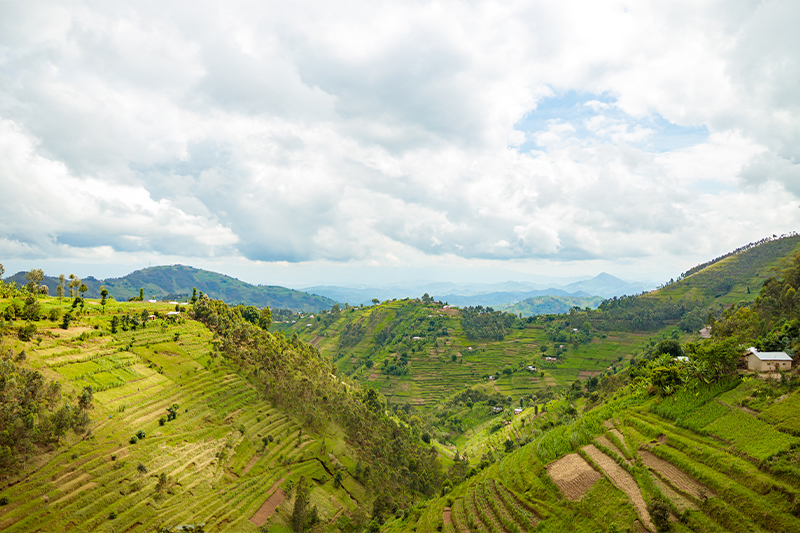
Eco tourism has strongly established itself in these countries, not only focusing on wildlife conservation but also employing local communities to such projects.
South Africa and Eastern Africa
South African parks such as Kruger are premium places to stay and enjoy safaris. However, the revenue earned from lodge fees and rhino tracking experience have funded the anti poaching teams to protect the rhino species. Today, there are around 120 rhinos thriving in the park.
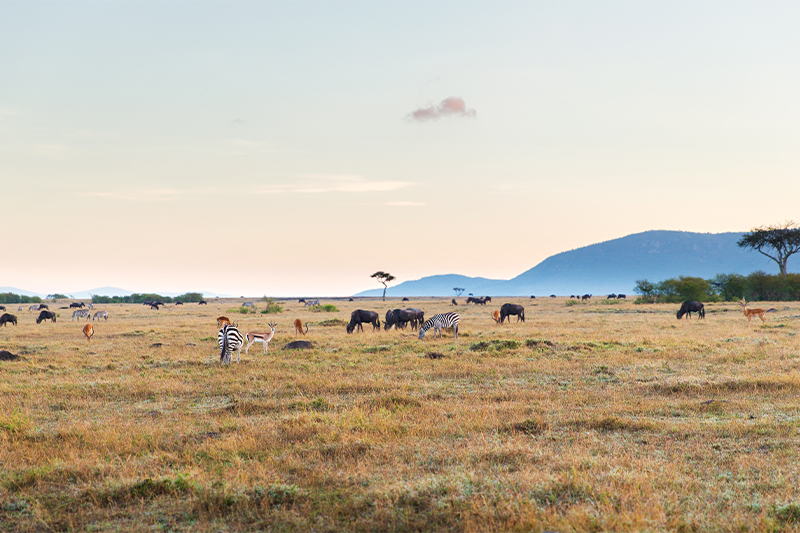
Similarly, Kenya and Tanzania of East Africa have successfully practiced ecotourism for decades. The Masai Mara in Kenya has been at the forefront of wildlife conservation, protecting endangered species with the help of ecotourism. The Masai tribe has been involved in community owned conservancies by leasing their lands which are set aside exclusively for wildlife conservation and responsible game viewing.
On the other hand Tanzania’s Serengeti National Park is mainly looked after by the government. The Tanzania National Parks Authority (TANAPA) has managed to spread eco tourism and build successful conservation models in the park.
Namibia
Another globally recognized success story in eco tourism is showcased by Namibia. This country practises ‘Community-Based Natural Resource Management (CBNRM) programme’, which empowers local communities to manage and benefit from their wildlife and natural resources. In fact, Namibia was the first African country to write about environmental protection and conservation in its constitution. Due to continued efforts, Namibia has managed to revive the species of desert adapted elephants and black rhinos.

Eco-tourism in Africa creates a powerful, sustainable model where wildlife conservation is directly funded, local communities are empowered, and the continent’s invaluable natural heritage is protected for future generations.
If you loved reading this story, then subscribe to our blog here (it will ask to verify your email) to get inspiring travel stories and trivia delivered to your email. Stories about wildlife trivia, cultural experiences, curated luxury hotel lists, underrated places to travel, polar journeys and much more.